Online Therapy for Trauma, Grief, and Neurodivergence Across Oregon
Therapy that feels like a lantern in the dark
“Stories are medicine. I have been taken with stories since I heard my first. They have such power; they do not require that we do, be, act, anything — we need only listen.”
— Dr.Clarissa Pinkola Estés,
Women Who Run With the Wolves
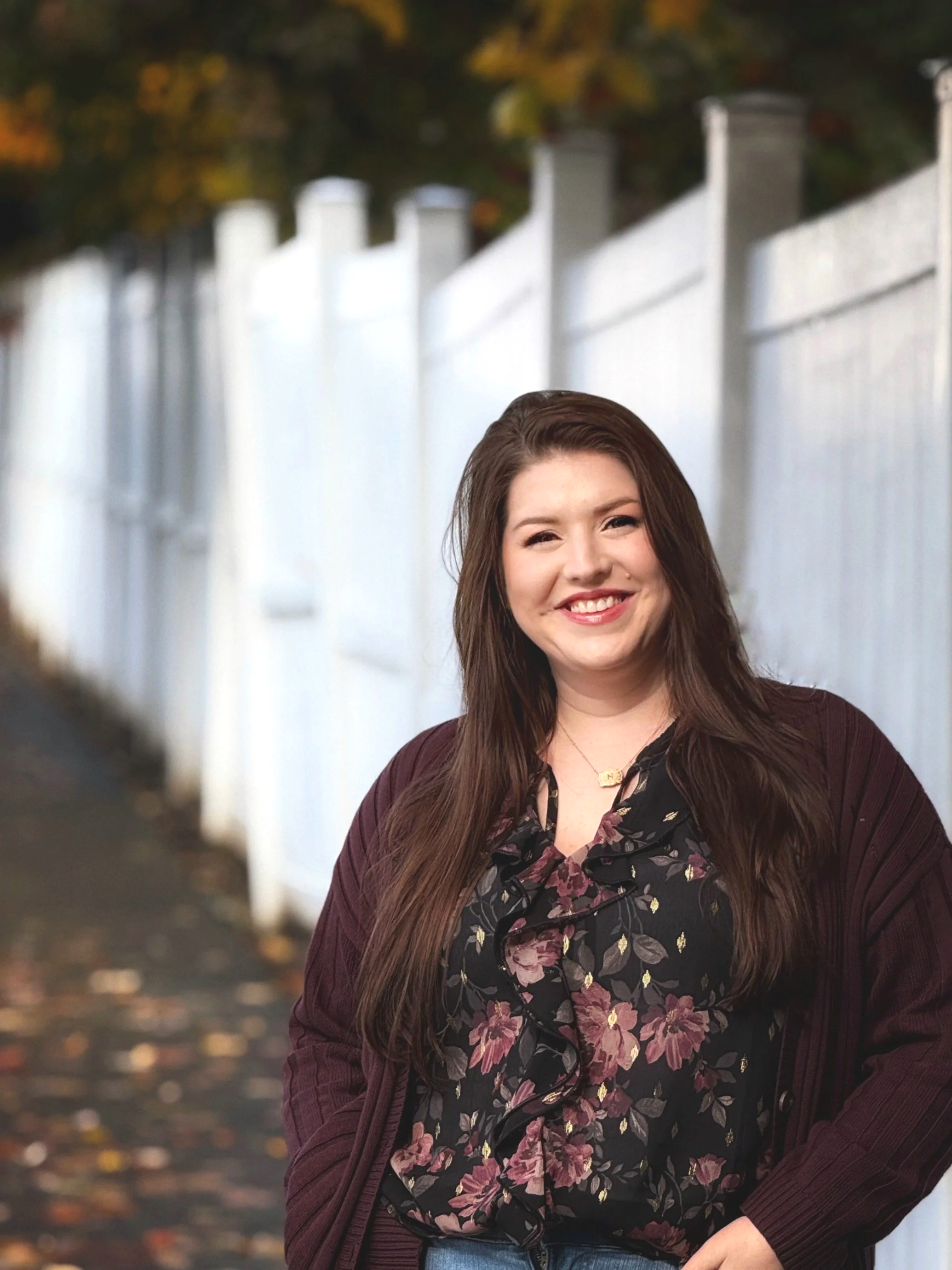
About Nicole Tabor, LPC
I see the therapeutic relationship as the place where our stories can be held; where trauma, grief, and neurodivergence are not too much.
My work specializes in helping neurodivergent adults who are struggling with complex trauma, relationships, grief, disordered eating, or burnout find relief from the past, lean into what fulfills them, heal from what doesn’t, and meet it all with curiosity, compassion, and a little humor when needed.
You don’t need to know how you want to heal or have the right words; being here is enough, and I’m looking forward to meeting you.
My last name has been Tabor since 2020; if you found your way here looking for Nicole Trask, you’re in the right place!
How I work:
Relational. Grounded. Authentic.

Therapy with me is…
-
Relational wounds are healed in relationships.
In therapy, the therapeutic relationship becomes the container and method for healing to occur. I see you as the expert of your own life, and I am here to sift through what you are bringing to sessions.
This may be a good fit if you:
have felt misunderstood, pathologized, or unseen in past therapy
want a collaborative relationship rather than a top-down “expert” model
value trust, authenticity, and emotional attunement
-
I get it, our society often supports being disembodied, where it can often feel overwhelming or disorienting to be in your body. I hold the space for us to practice embodiment without feeling flooded.
Rather than rushing to change thoughts or behaviors, we slow down and listen to your nervous system, sensations, and lived experience. Symptoms, sensations, and responses are treated as information shaped by context, history, and experiences we can adapt and shift from in new ways.
This may be a good fit if you:
feel stuck despite insight or self-awareness
notice stress, trauma, or emotion living in your body (or your responses)
want a pace that respects your capacity and consent
-
No scripts. No jargon. No pretending.
I don’t believe we can think or solely cope our way out of systems or environments that harm us, and I’m transparent about how I work: There’s room here for skepticism, humor, ambivalence, nuance, and not knowing.
By showing up as my authentic self, I can mirror a safe place for you to do the same, which is where genuine healing happens.
This may be a good fit if you:
want therapy that feels real, not performative
are tired of being told to reframe or push through
value honesty, nuance, and shared curiosity

My Background
& Education
where & what I studied

I’m trained in somatic trauma approaches, attachment theory, and depth-oriented and systems perspectives.
Rather than applying a one-size-fits-all model, I strive to meet clients where they are, offering their values, identities, and lived experiences to guide the work in every session: making it adaptable, flexible, and human.
I hold a Master of Clinical Mental Health Counseling from George Fox University, a CACREP-accredited program. My path into the mental health field was shaped by my earlier studies in agriculture, veterinary medicine, public health, and (poetry) writing at Oregon State University (go beavs!), where I became deeply aware of the disparities in access to care, especially mental health care, particularly in rural and marginalized communities similar to my own background and upbringing growing up in Oregon.
These experiences continue to inform how I conceptualize mental health care, trauma, systems, and this work; they are vital to the way I practice.

Focus &
Population
who & what themes I tend to treat
Athletes, High-Performers, & High-Functioners
Attachment & Relationships
BIPOC folks
Childhood Abuse & Neglect
Complex & Chronic Trauma
Disordered Eating & Body-Image
Grief & Loss (Including Non-Death Loss and Complex Bereavement)
LGBTQIA+ folks
First-Generation College Students & Immigrants
Intergenerational & Family Trauma
Neurodivergence including ADHD, Autism, AuDHD, etc.
Recovery & Maintaining Sobriety
Rural Populations & Blue Collar Workers/Line of Work
Spirituality & Religious Trauma including High Control Groups
Women’s Issues & Empowerment
Training & Modalities
what I’ve studied & tools I tend to use
Certified Body Trust® Provider
Eye Movement Desensitization and Reprocessing (Completed EMDR—Weekend 1 Training)
Feminist, Anti-Oppressive, & Liberatory Frameworks
Integrative Somatic Trauma Treatment
Internal Family Systems-Based (IFS) & Parts Work
Narrative & Bibliotherapy
Person-Centered (Rogerian) & Humanistic Approach
Psychodynamic & Depth-Oriented (Adler, Satir, Jungian)
Relational & Attachment-Based
Strengths-Based & Compassion-Focused
Trauma-Informed Clinical Supervision
Let’s Connect
If you need a relational, grounded, and authentic
approach to healing, please reach out: